By Finance & Global Markets Desk | April 25, 2026
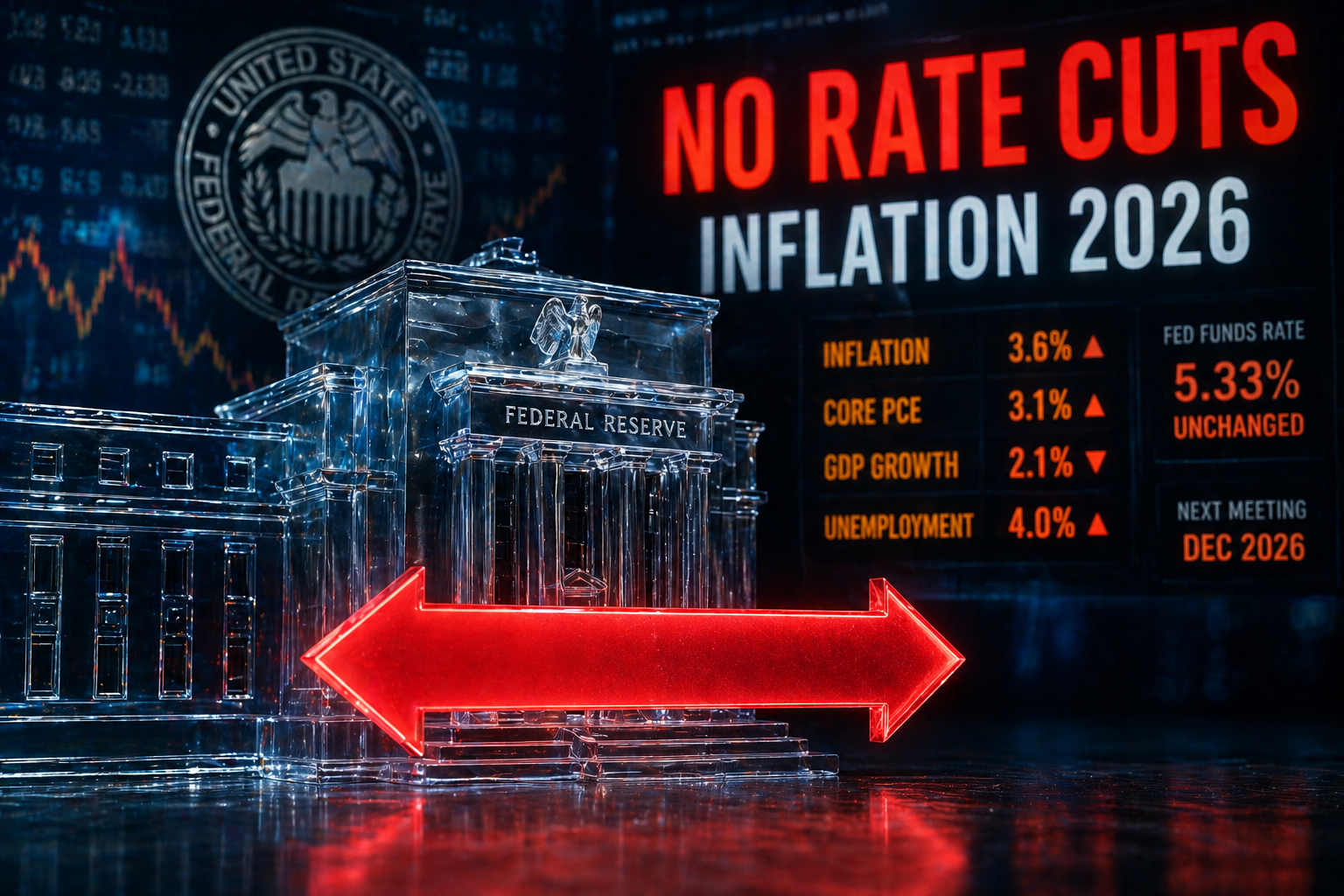
In a move that has sent ripples of uncertainty across Wall Street and global emerging markets, Federal Reserve Chairman Jerome Powell has delivered his most “hawkish” address of the year. During an emergency economic forum in Washington D.C. today, Powell signaled that the Federal Reserve is prepared to maintain interest rates at their current levels—or potentially higher—well into 2026.
This pivot effectively destroys previous market expectations of a series of rate cuts, as the U.S. economy grapples with a fresh wave of “imported inflation” triggered by the energy crisis in the Middle East.
1. The ‘Hawkish’ Pivot: Why Rates Aren’t Coming Down
The Federal Reserve has kept the federal funds rate in the 3.5% to 3.75% range. While markets had priced in at least three rate cuts for the 2026 fiscal year, Powell’s latest stance suggests a “wait-and-see” approach that could last another 12 months.
- The Inflation Barrier: Powell noted that while core inflation showed signs of cooling earlier this year, the recent spike in energy costs has made the 2% inflation target elusive.
- Economic Resilience: The U.S. labor market remains unexpectedly strong, giving the Fed the “cushion” it needs to keep rates high without immediately triggering a recession.
2. The ‘Hormuz Factor’: Energy as an Inflation Driver
The primary culprit behind this shift is the ongoing maritime blockade in the Strait of Hormuz.
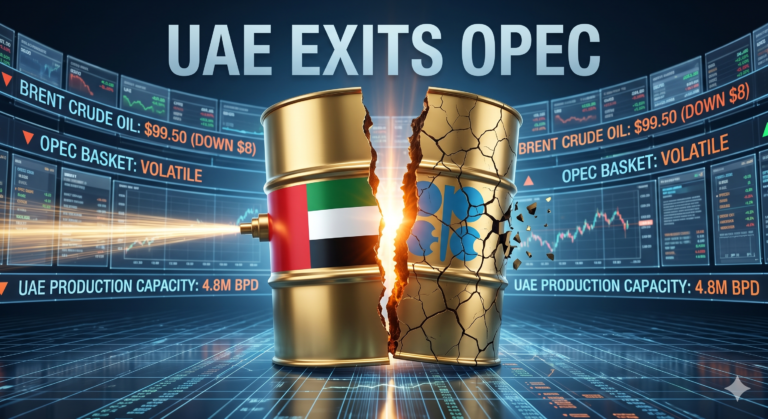
- Oil at $101: With Brent Crude oil crossing the $100 per barrel mark, the cost of gasoline and electricity in the U.S. has begun to climb again.
- Secondary Effects: High energy prices are trickling down into food and manufacturing costs. Powell emphasized that the Fed cannot afford to cut rates while a “supply-side shock” is actively pushing prices upward.
3. Impact on the Indian Rupee and Emerging Markets
The “Higher for Longer” mantra is particularly bad news for emerging economies like India.
- The Dollar Strength: As long as U.S. interest rates remain high, global investors will keep their capital in Dollar-denominated assets. This has pushed the U.S. Dollar Index (DXY) higher, putting immense pressure on the Indian Rupee.
- FII Outflows: High U.S. yields often lead to Foreign Institutional Investors (FIIs) pulling money out of the Indian stock market to chase “safe” returns in the U.S., leading to volatility in the Sensex and Nifty.
Detailed Q&A: Understanding the Fed’s 2026 Strategy
Q1. What does “Higher for Longer” actually mean for a common investor? It means that the era of “cheap money” is not returning anytime soon. For individuals, it implies that interest rates on home loans, car loans, and personal credit will remain elevated. For investors, it means that Fixed Deposits (FDs) and Bonds will continue to offer attractive yields, but high-growth stocks may face a slowdown.
Q2. Could the Fed actually raise rates further in 2026? While Powell stated that the current policy is “restrictive enough,” he did not explicitly rule out a rate hike. If oil prices continue to rise and push inflation toward 4% or 5%, the Fed may be forced to move from “holding” to “hiking.”
Q3. How should the RBI react to this news? The Reserve Bank of India (RBI) is now in a difficult position. If the RBI cuts rates in India while the Fed keeps them high in the U.S., the Rupee could crash significantly. Most analysts expect the RBI to maintain a “status quo” and keep Indian interest rates high to protect the currency.
Q4. Is this the end of the 2026 Bull Market? Not necessarily. Markets hate uncertainty more than high rates. Now that Powell has provided clarity on the Fed’s stance, investors can re-adjust their portfolios. However, sectors that are “debt-heavy,” such as Real Estate and high-burn Tech startups, may face a tough year ahead.
Copyright: © news.aambublog.com (2026)