By Global News Desk | April 23, 2026
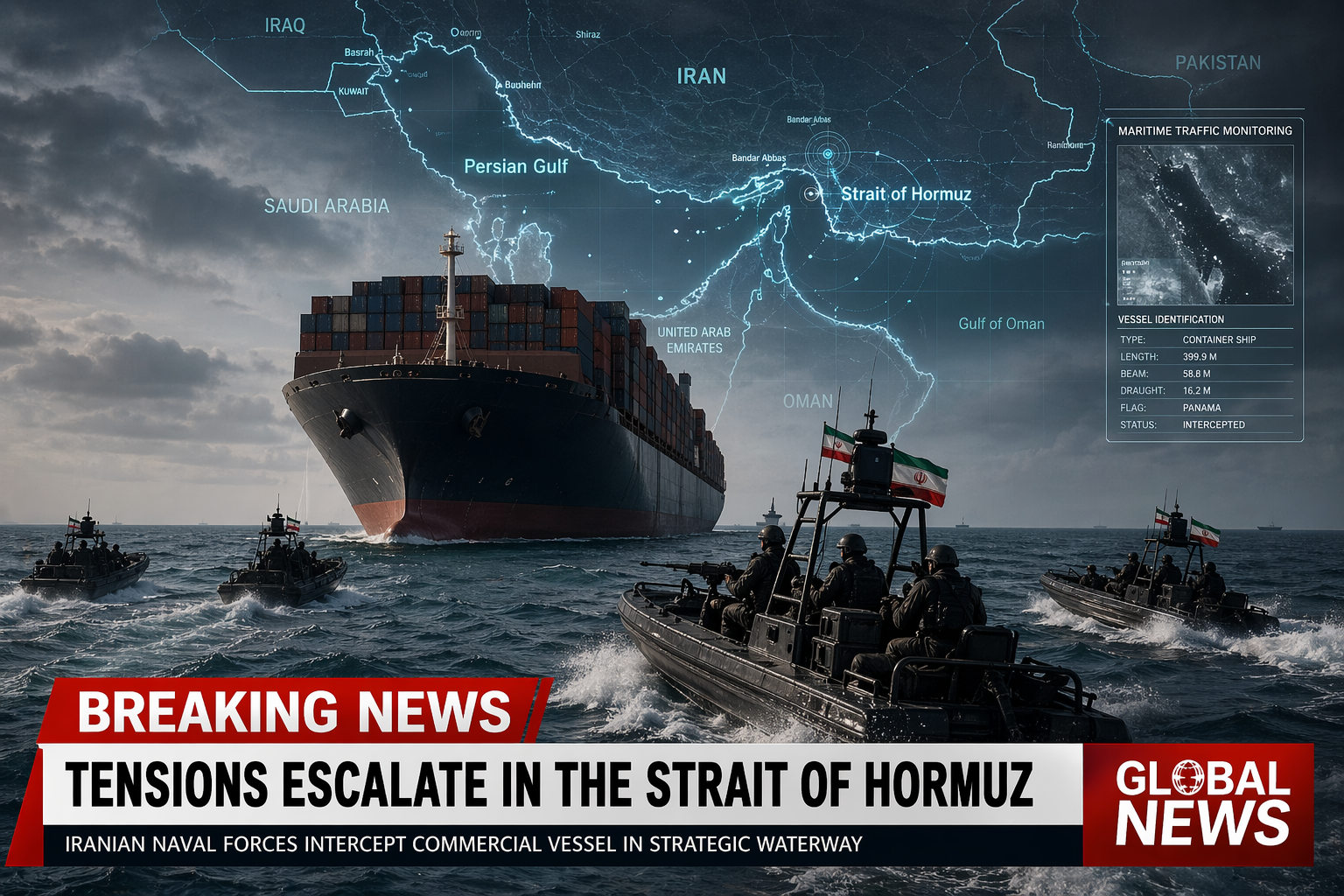
The geopolitical standoff in the Persian Gulf has officially reached a boiling point today. In a dramatic escalation, Iran’s forces fired upon three vessels and successfully seized two container ships attempting to exit the Gulf via the Strait of Hormuz. Most critically for regional markets, one of the seized vessels is an India-bound cargo ship.
This aggressive move comes just hours after US President Donald Trump announced a temporary extension of the ceasefire, throwing global energy markets and diplomatic channels into absolute chaos.
1. The Seizures in the Strait
The sudden maritime action took place early this morning in the world’s most critical oil chokepoint.
- The Interception: Iranian naval forces fired warning shots before boarding and redirecting the two container ships. Iranian officials explicitly stated that the Strait of Hormuz will not be reopened to international commercial traffic as long as the US naval blockade remains in place.
- The India Connection: One of the captured vessels was carrying critical cargo destined for Indian ports. Diplomatic channels are currently scrambling to ensure the safety of the crew and the release of the ship.
2. Ceasefire Confusion and US Response
The attack contradicts the immediate expectations of the international community.
- Trump’s Extension: Late last night, President Trump announced an extension to the US-Iran ceasefire to allow for a second round of indirect talks, which were expected to take place within the next three days.
- Iran’s Stance: Tehran has labeled the ongoing US naval presence a “blatant violation” of the truce conditions, justifying the seizures as a defensive measure against Western economic blockades.
3. Immediate Market and Trade Impact
Global markets are reacting violently to the physical closure of the Strait.
- Energy Markets: Crude oil prices have spiked once again, as traders fear a prolonged shutdown of the route that handles 20% of the world’s daily oil consumption.
- Supply Chain Crisis: Exporters in India and across Asia are facing an immediate logistical nightmare. With shipping insurance premiums already at record highs, this seizure will likely halt all major commercial transits through the Gulf until military escorts can be guaranteed.
Detailed Q&A: The Strait of Hormuz Crisis
Q1. Will this trigger a direct war between the US and Iran? While the situation is highly volatile, both sides are still engaging in back-channel talks. The US has indicated a willingness to continue negotiations in the coming days, but military retaliation remains on the table if the seized ships are not released.
Q2. What is the Indian government doing about the seized ship? India is maintaining a neutral diplomatic stance but is actively engaging with Tehran. Given the strong historical ties between India and Iran, diplomats are working to secure an early release of the Indian-bound vessel, similar to previous maritime incidents.
Q3. How will this affect fuel prices? A sustained closure of the Strait of Hormuz will inevitably lead to a surge in global oil prices. While national strategic reserves might cushion the immediate blow, a prolonged crisis will eventually result in higher petrol and diesel costs for consumers globally.