By Global Business & Energy Desk | April 25, 2026
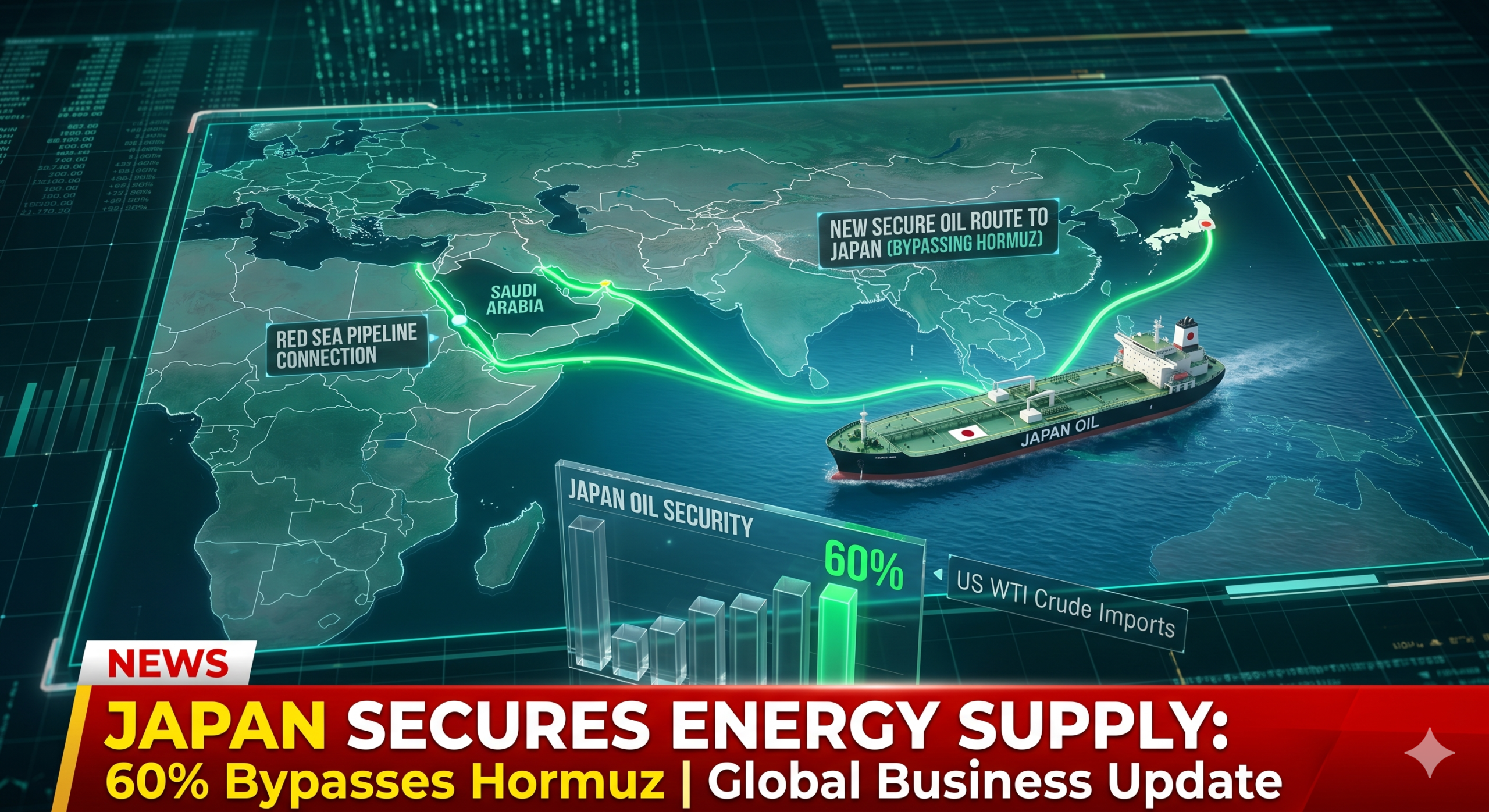
In a bold move to safeguard its economy from the ongoing Middle East maritime blockade, Japan has officially announced a massive shift in its energy procurement strategy. Prime Minister Sanae Takaichi confirmed today that Tokyo has successfully negotiated alternative routes and suppliers, ensuring that 60% of Japan’s crude oil will now bypass the volatile Strait of Hormuz.
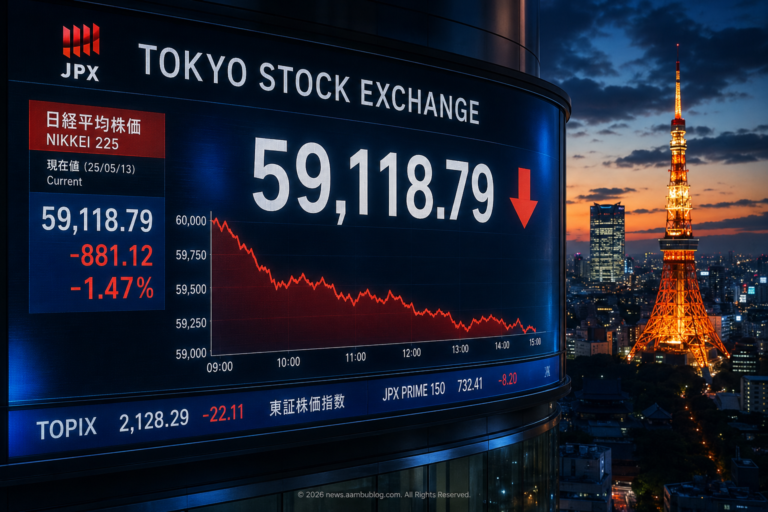
This strategic pivot comes after weeks of uncertainty that saw the Japanese Yen hit record lows due to rising energy import costs.
1. The Saudi-Japan “Red Sea” Corridor
Following a high-level call between PM Takaichi and Saudi Crown Prince Mohammed bin Salman, Saudi Arabia has agreed to prioritize oil deliveries to Japan via the Red Sea route.
- Bypassing the Chokepoint: By using pipelines to move oil to Saudi Arabia’s western ports on the Red Sea, tankers can now reach Japan without ever entering the Persian Gulf or the Strait of Hormuz.
- Mutual Commitment: Riyadh has reaffirmed its commitment to Japan’s energy security, ensuring that the supply remains steady even if tensions in the Gulf escalate further.
2. First US ‘WTI’ Crude Shipment Arrives
In another significant development, the first major shipment of US West Texas Intermediate (WTI) crude since the start of the conflict is scheduled to arrive at the Keiyo Sea Berth in Chiba tomorrow.
- Diversification: Japan is rapidly increasing its imports from the US, Brazil, and West Africa to reduce its heavy 90% dependency on the Middle Eastern Gulf region.
- Price Stability: This diversification is expected to act as a buffer, helping to stabilize domestic fuel prices and provide some much-needed relief to the Japanese Yen.
3. Strategic Reserve Deployment
To bridge any immediate gaps during this transition, the Japanese government has also initiated the third phase of its Strategic Petroleum Reserve (SPR) release.
- 45-Day Buffer: Combined with private-sector stocks, Japan currently holds enough oil to sustain its domestic needs for nearly 200 days.
- Market Confidence: The proactive release of these reserves has already started to cool down speculative trading in the Tokyo Commodity Exchange.
Detailed Q&A: Japan’s New Energy Reality
Q1. How can oil bypass the Strait of Hormuz if it comes from the Middle East? Most major producers like Saudi Arabia and the UAE have extensive pipeline networks that can transport crude oil across the peninsula to ports on the Red Sea or the Gulf of Oman. By loading ships at these western ports, Japan can avoid the dangerous “chokepoint” of Hormuz entirely.
Q2. Will this move make petrol cheaper in Japan immediately? It will stop prices from rising further, but a significant drop will take time. The cost of transporting oil via alternative routes and pipelines is slightly higher, but it is far better than the risk of no supply at all.
Q3. Is this a permanent shift for Japan? Yes. The 2026 Hormuz crisis has been a wake-up call for Tokyo. The “Sanaenomics” policy now explicitly mandates that Japan must not rely on any single maritime route for more than 40% of its energy needs by 2030.
Q4. Does this affect India’s energy strategy? Absolutely. India is watching Japan’s moves closely. Like Japan, India is also heavily dependent on the Gulf. Japan’s success in securing “Red Sea routes” could serve as a blueprint for India to negotiate similar deals with Saudi Arabia and Iraq.
Copyright: © news.aambublog.com (2026)