By Global Affairs & Finance Desk | April 28, 2026
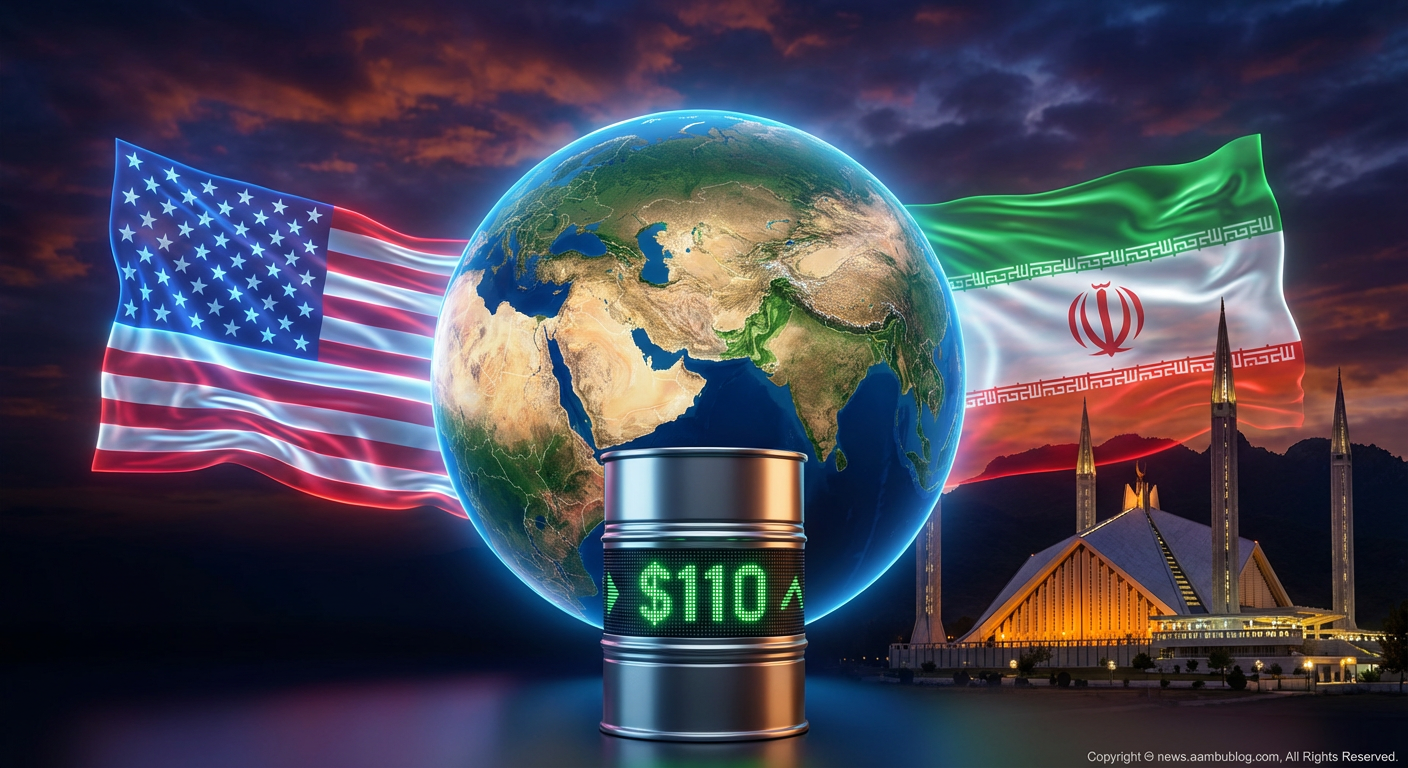
The world’s attention is fixed on Islamabad today as delegations from the United States and Iran continue intense, indirect negotiations to prevent a full-scale war in the Middle East. With Brent Crude oil hitting $110 per barrel this morning, the pressure on both nations to reach a ceasefire has reached a boiling point.
While the two sides are not meeting face-to-face, Pakistani mediators are working around the clock to relay proposals that could either reopen the Strait of Hormuz or lead to a massive regional escalation.
1. The “Back-Channel” Diplomacy in Islamabad
Following the arrival of US Special Envoys Steve Witkoff and Jared Kushner, and Iranian Foreign Minister Abbas Araghchi, the Pakistani Foreign Ministry has become a neutral “Switchboard” for global peace.
- The Indirect Method: Because Iran refuses to engage in direct talks with the US, Pakistani officials are hand-delivering messages between the two delegations.
- The Core Proposal: The US is reportedly offering a partial lifting of maritime sanctions in exchange for Iran removing naval mines from the Strait of Hormuz.
2. The Shadow of Military Force
Despite the ongoing talks, the military tension remains at an all-time high.
- Trump’s Warning: President Donald Trump has reiterated his “Shoot to Destroy” order, warning that any Iranian vessel caught interfering with international shipping will be neutralized.
- Iranian Stance: Tehran maintains that its naval presence is purely defensive but has signaled that it will not back down unless its frozen oil revenues are released.
3. Global Economic Consequences
The deadlock in Islamabad is directly impacting the pockets of consumers worldwide.
- Oil Market Panic: The failure to secure a breakthrough over the weekend pushed oil prices to $110. Analysts warn that if talks collapse today, we could see $130 per barrel by the end of the week.
- Inflation Concerns: High energy costs are causing a sell-off in global stock markets, with the Sensex and Nifty feeling the heat from continued FII outflows.
Detailed Q&A: The Islamabad Negotiations
Q1. Why is the US using indirect talks instead of a direct meeting? Iran has maintained a policy of no direct negotiation with the US since the collapse of the previous nuclear deal. By using Pakistan as a mediator, both sides can “save face” while still discussing critical security issues.
Q2. How does the $110 oil price affect the common man in India? India imports over 80% of its oil. Every $1 increase in global prices puts pressure on the Indian Rupee and increases the cost of petrol and diesel at the pump. This leads to higher transportation costs for food and essential goods, causing overall inflation.
Q3. What is the “Red Line” for the United States? The US “Red Line” is the safety of international shipping. If a commercial vessel is hit by a mine or seized by Iranian forces during these talks, the US has indicated it will transition from diplomacy to direct military strikes.
Copyright: © news.aambublog.com (2026)