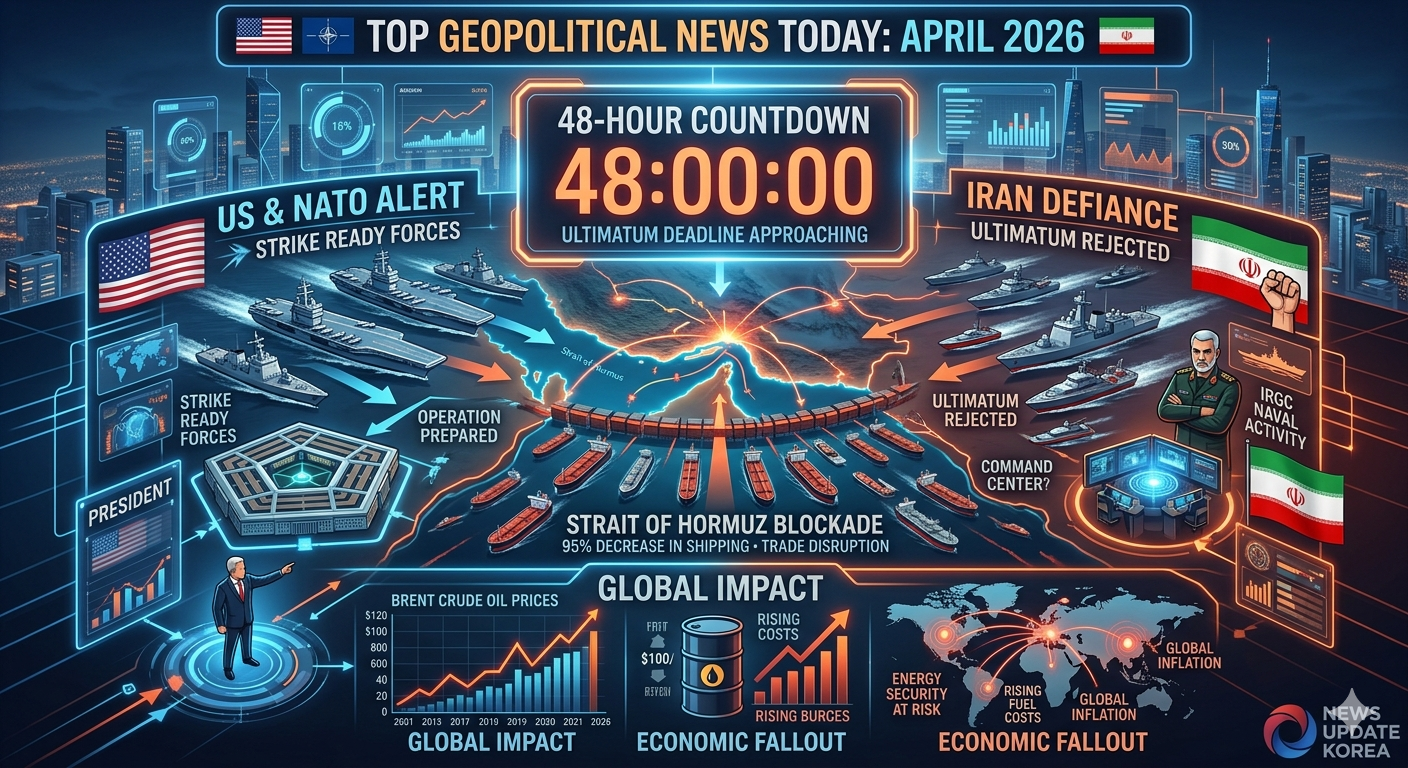
The geopolitical temperature in the Middle East has reached an unprecedented high today. As the global supply chain continues to choke under regional blockades, a direct and fierce standoff is unfolding between Washington and Tehran. Following months of devastating conflict, the United States has issued a strict 48-hour ultimatum, which Iran’s military command has immediately and strongly rejected.
Here is a detailed breakdown of the current crisis, the statements from both sides, and what this means for global security and economics.
The 48-Hour Ultimatum: “All Hell Will Rain Down”
Over the weekend, US President Donald Trump utilized his Truth Social platform to issue a stark warning to the Iranian government. The core demand from the US administration is immediate: Iran must strike a diplomatic deal and, more crucially, reopen the strategic Strait of Hormuz to global shipping.
President Trump reminded the public of a previous 10-day pause he had placed on targeting Iranian energy infrastructure—a pause he claims was requested by the Iranian government to facilitate ongoing negotiations. However, with that window rapidly closing (set to expire on Monday, April 6, 2026), the tone has shifted drastically.
The President explicitly warned that time is running out, stating that there are “48 hours before all Hell will rain down on them” if the critical shipping lane remains blocked.
Iran’s Defiant Response
Despite the looming deadline and the threat of targeted strikes on its energy and power plants, Tehran remains unyielding. Iran’s military command swiftly dismissed the US President’s ultimatum.
General Ali Abdollahi Aliabadi publicly labeled the threat as a “helpless, nervous, unbalanced and stupid action.” The Iranian Foreign Ministry has further accused the US and Israel of running a massive disinformation campaign to sway international perception. By publicly dismissing the threat, Tehran is signaling that it will not bow to American pressure, maintaining its grip on the Strait of Hormuz as strategic leverage.
The Global Impact: Why the Strait of Hormuz Matters
The friction goes far beyond political rhetoric; it is actively damaging the global economy.
- The Energy Chokepoint: The Strait of Hormuz is the world’s most vital maritime artery for oil. With Iran restricting the movement of international vessels, the global crude oil supply has been severely bottlenecked.
- Economic Fallout: As ships remain trapped in the Gulf, international Brent crude prices have skyrocketed. This is heavily impacting nations that rely on Middle Eastern oil, pushing up domestic inflation and forcing everyday consumers to bear the brunt of rising petrol, diesel, and commercial LPG costs.
What Happens Next?
The region has been on high alert since the joint US-Israeli offensive began earlier this year. With both sides heavily armed and refusing to back down, the next 48 hours are critical. Should the deadline pass without a resolution, the US may authorize the Department of War to resume strikes on Iran’s critical infrastructure, potentially triggering a much wider and more destructive regional war.
Frequently Asked Questions (FAQs)
Q1: Why did the US give Iran a 48-hour ultimatum?
Ans: The US issued the ultimatum to force Iran into finalizing a diplomatic agreement and to immediately lift its blockade on the Strait of Hormuz. The US administration aims to stabilize global oil markets and restore secure international maritime navigation.
Q2: What will happen if Iran does not comply with the deadline?
Ans: US President Donald Trump has warned that “all hell will rain down” if the deadline is missed. This likely refers to lifting the current pause on military strikes and directly targeting Iran’s vital energy plants and infrastructure.
Q3: How has Iran responded to the threat?
Ans: Iran’s military leaders have firmly rejected the ultimatum. They dismissed the American threats as “unbalanced” and “helpless,” indicating that they will not be intimidated into surrendering their strategic control over the waterway.
Q4: How does this crisis affect countries like India or South Korea?
Ans: Nations that are heavy importers of crude oil are facing an economic crisis. The blockade in the Strait of Hormuz has caused global fuel prices to surge, directly leading to higher transportation costs, more expensive household goods, and increased fuel prices for average citizens worldwide.
Author: Swapnil
Category: World News / Geopolitics
Read Time: 5 Minutes
Tips: 1. Use an aggressive, high-contrast featured image—perhaps a split screen of the US Capitol and an oil tanker in the Gulf—to immediately grab your readers’ attention.
2. Push this article heavily on your social media, as global tension and oil price news drive massive organic traffic to news portals.