By Global Strategic Desk | April 20, 2026
The hope for a peaceful resolution in West Asia has suffered a devastating blow today. The second round of high-stakes peace negotiations, scheduled to take place in Islamabad, has been officially called off. With the current ceasefire set to expire in less than 48 hours, the world is now bracing for a potential escalation in the Persian Gulf.
1. The Breaking Point: Ship Seizure and ‘Excessive’ Demands
The collapse of the talks was triggered by two major events over the last 24 hours:
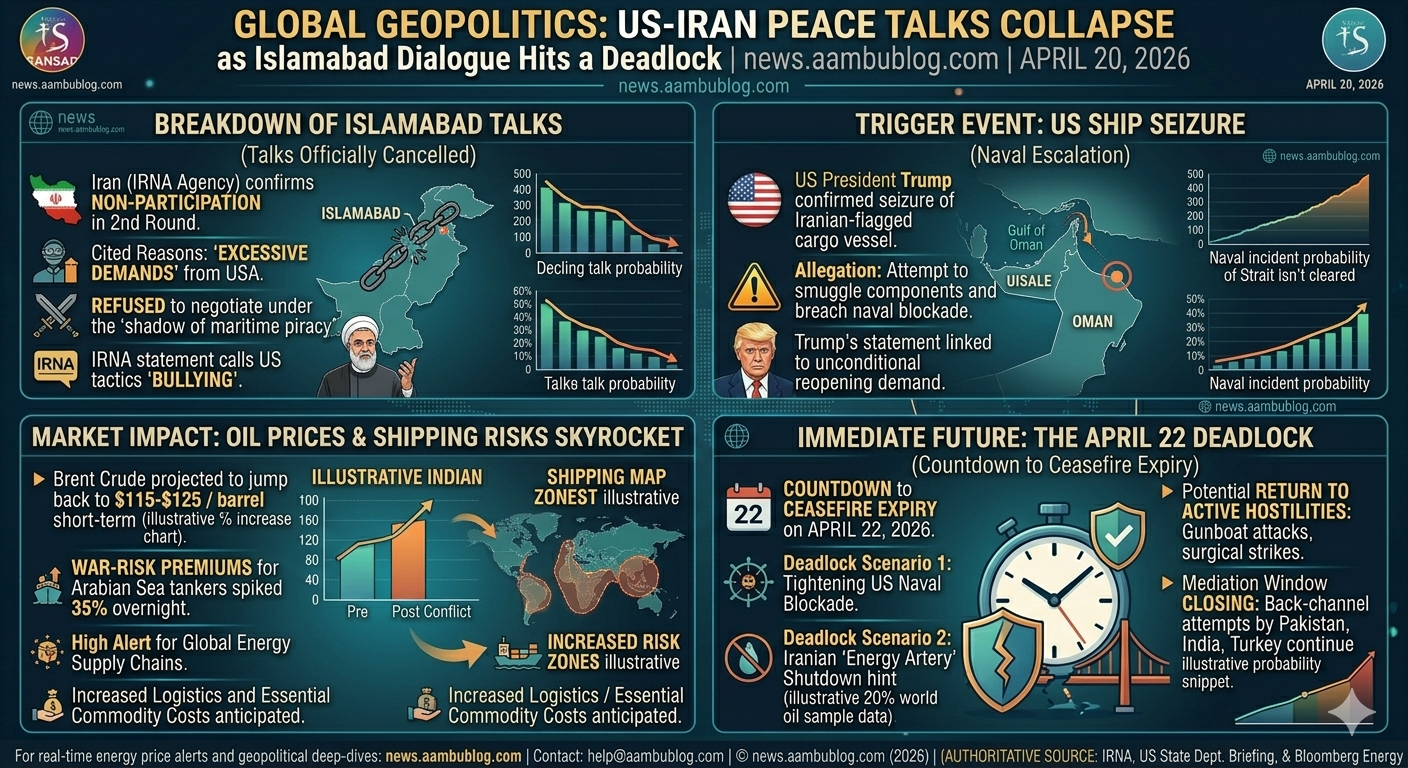
- The Naval Incident: President Donald Trump confirmed that the U.S. Navy seized an Iranian-flagged cargo vessel in the Gulf of Oman. The U.S. claims the ship was attempting to smuggle components to bypass the blockade.
- The Diplomatic Rejection: Iran’s state news agency, IRNA, released a scathing statement calling the U.S. negotiation tactics “bullying.” They officially withdrew from the Islamabad talks, stating they would not negotiate under the “shadow of maritime piracy.”
2. The ‘April 22’ Deadline: A Countdown to Chaos?
The global community is on edge because the existing 10-day ceasefire is scheduled to end on April 22, 2026.
- If no deal is reached: The U.S. has threatened to tighten the naval blockade of the Strait of Hormuz.
- Iran’s Response: Tehran has hinted that if the blockade continues, they will permanently shut down the “energy artery,” which carries 20% of the world’s oil.
3. Global Market Impact
The failure of these talks has sent shockwaves through the financial markets:
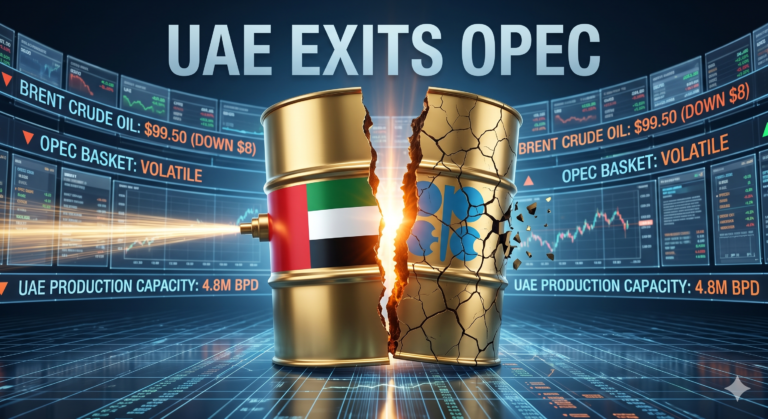
- Oil Prices: Brent Crude, which had dipped to $97 during the ceasefire, is projected to jump back toward **$110-$120 per barrel** by tomorrow morning.
- Shipping Insurance: War-risk premiums for tankers navigating the Arabian Sea have spiked by 35% overnight.
Detailed Q&A: Understanding the US-Iran Deadlock
Q1. Why did the Islamabad talks fail?
The talks failed primarily due to a lack of trust. Iran demanded an immediate lifting of the naval blockade before signing any deal. However, the U.S. (under the Trump administration) insisted that Iran must first hand over its enriched uranium (the “Nuclear Dust” deal) and stop all drone production. Neither side was willing to blink first.
Q2. How does the ship seizure in the Gulf of Oman change things?
The seizure gave Iran a reason to walk away from the table. By framing the U.S. action as “maritime piracy,” Iran is trying to gain diplomatic support from other Asian and European nations who want the shipping lanes to remain open and neutral.
Q3. What happens when the ceasefire expires on April 22?
If the ceasefire isn’t extended, we could see a return to “active hostilities.” This could include Iranian gunboat attacks on tankers and U.S. “surgical strikes” on Iranian naval assets. For the world, it means higher fuel prices and potential supply chain delays.
Q4. Is there any hope left for diplomacy?
Yes, but the window is closing. Countries like Pakistan, India, and Turkey are still trying to facilitate “back-channel” talks. There is a possibility of a last-minute 48-hour extension to the ceasefire, but it depends entirely on whether the U.S. releases the seized vessel.
Fact Sheet: The Crisis at a Glance
| Key Metric | Status as of April 20, 2026 |
|---|---|
| Negotiation Status | COLLAPSED (Second round cancelled) |
| Ceasefire Expiry | April 22, 2026 (Wednesday) |
| Strait of Hormuz | Partially Blocked (U.S. Navy presence) |
| Projected Oil Price | $115+ / Barrel (Short-term) |
| Main Mediators | Pakistan, France, and UK |
For real-time energy price alerts and geopolitical deep-dives: news.aambublog.com
Contact: help@aambublog.com