1. News Introduction (The Lead)
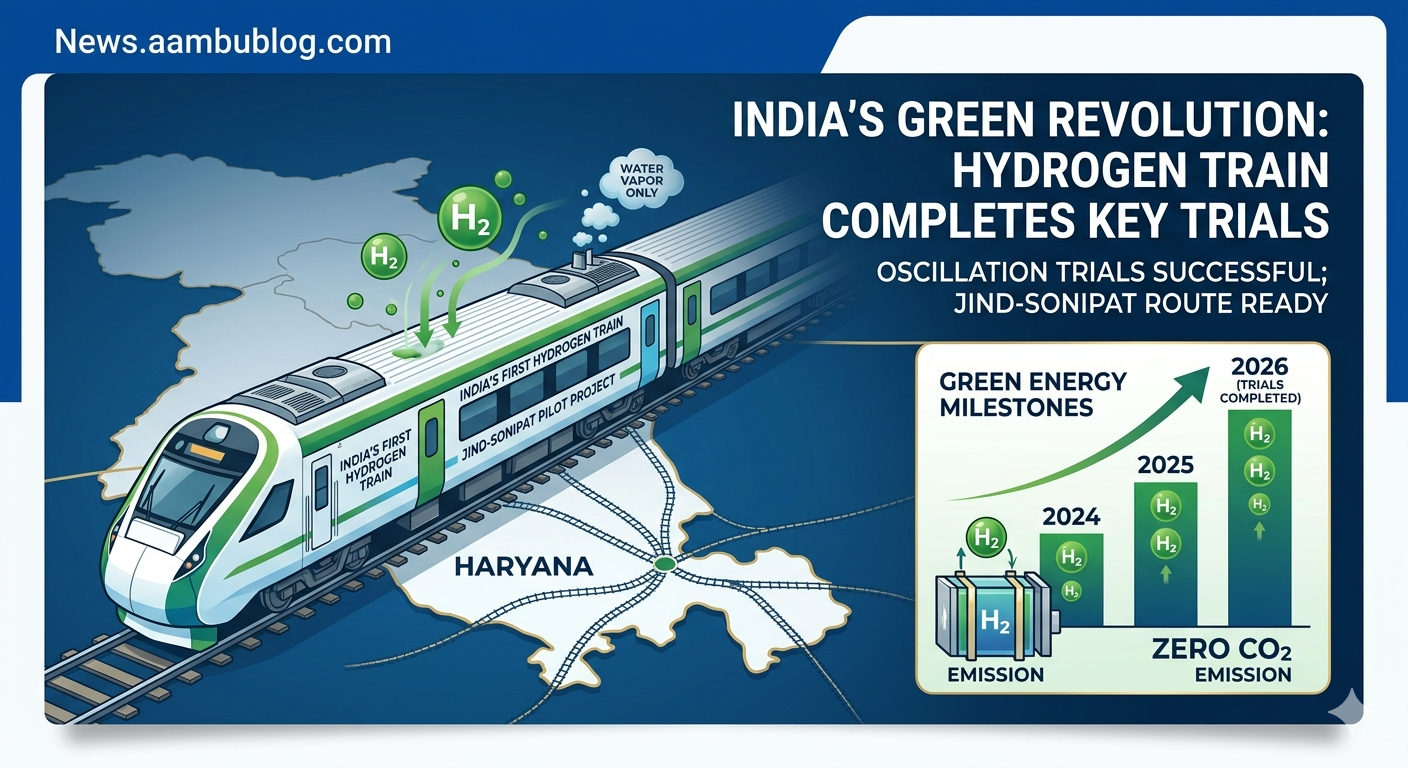
In a historic leap toward sustainable transportation, the Indian Railways has successfully completed the critical oscillation trials of the country’s first-ever hydrogen-powered train. This milestone, confirmed by Railway Minister Ashwini Vaishnaw, places India in an elite global league alongside Germany and China. Designed to achieve “Net Zero Carbon Emission” by 2030, these hydrogen trainsets are set to transform the way India travels.
2. Key Highlights (Fast Facts)
- Trial Status: Oscillation trials completed successfully (April 2026).
- First Route: Jind to Sonipat (Haryana).
- Technology: Green Hydrogen through electrolysis (Zero CO2 emission).
- Capacity: 10-coach trainset with 2400 kW power.
- Top Feature: Only emission is water vapor—no smoke, no pollution.
3. Detailed Coverage
H2: What is a Hydrogen Train and How Does it Work?
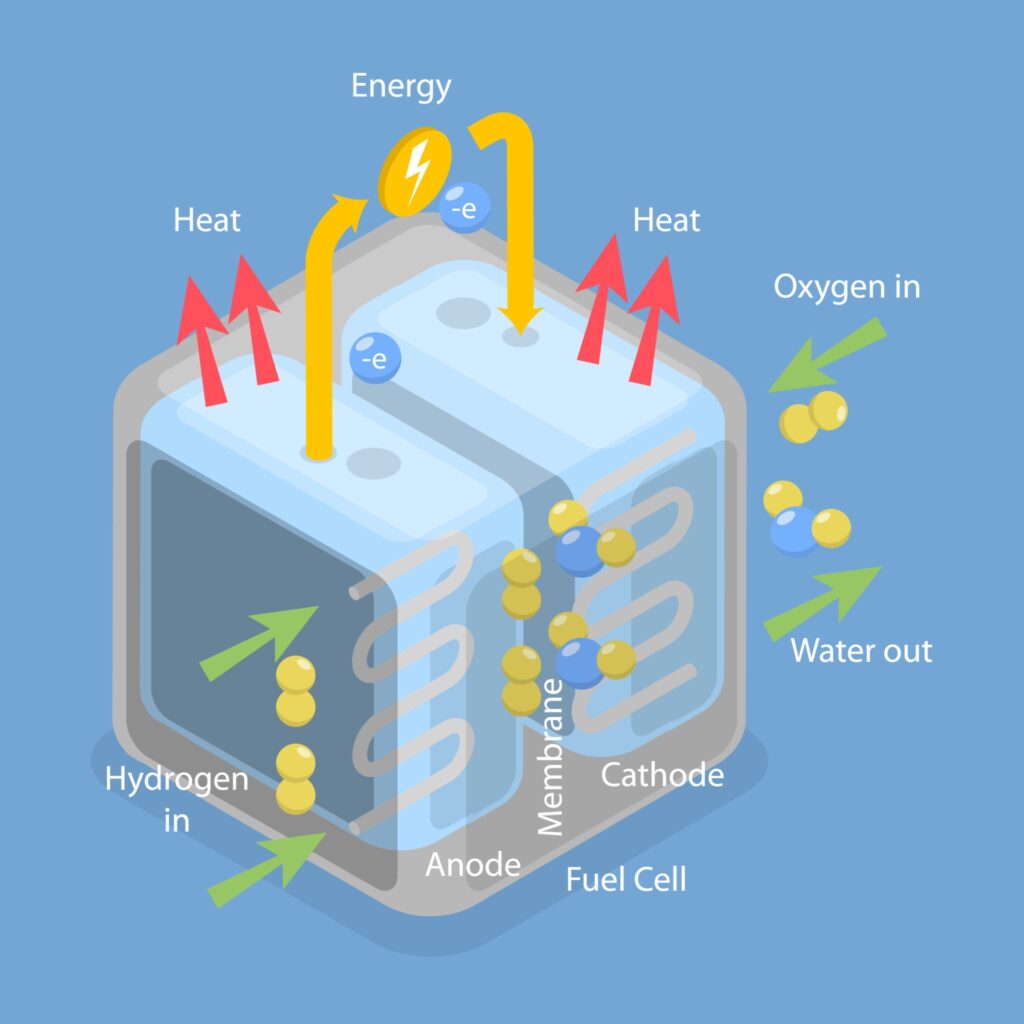
Unlike traditional diesel or electric trains, hydrogen trains use fuel cells to convert hydrogen and oxygen into electricity. This electricity then powers the train’s motors.
The only byproduct of this process is pure water vapor, making it the cleanest form of rail transport in the world.
H2: The Jind-Sonipat Pilot Project
The first pilot run is scheduled on the 89-km Jind-Sonipat section in Haryana. To support this, a dedicated green hydrogen production plant has been established in Jind, capable of producing 3,000 kg of hydrogen daily. This indigenous “Make in India” project has been developed by the Integral Coach Factory (ICF).
4. Technical Specifications at a Glance (Table)
| Feature | Details of India’s Hydrogen Train |
|---|---|
| Train Type | Hydrogen-Powered Trainset (10 Coaches) |
| Power Output | 2400 kW (Dual Power Cars) |
| Fuel Source | Green Hydrogen (Electrolysis process) |
| Speed (Trial) | Tested up to 100-110 kmph |
| Environmental Impact | Zero Carbon Footprint |
5. Frequently Asked Questions (FAQs)
- Q1: Is the Hydrogen Train safe for passengers?
- Ans: Yes, the oscillation trials specifically test for stability, safety, and ride quality. The train meets all international safety standards.
- Q2: Will the ticket prices be higher than regular trains?
- Ans: While official fares are pending, initial estimates suggest a range of ₹20 to ₹50 for the pilot route, similar to current local train fares.
- Q3: Which other cities will get Hydrogen trains?
- Ans: After the Haryana pilot, the government plans to introduce these trains on heritage hill routes like Shimla-Kalka and Darjeeling.
6. Editor’s Conclusion & Future Outlook
India’s entry into the hydrogen rail segment is not just a technology trial; it’s a statement of environmental leadership. As these trains replace aging diesel engines on branch lines, India is expected to save millions in fuel imports while protecting its diverse ecosystems. Keep an eye on News.aambublog.com for the official launch date announcement!