By Finance & News Desk | April 13, 2026
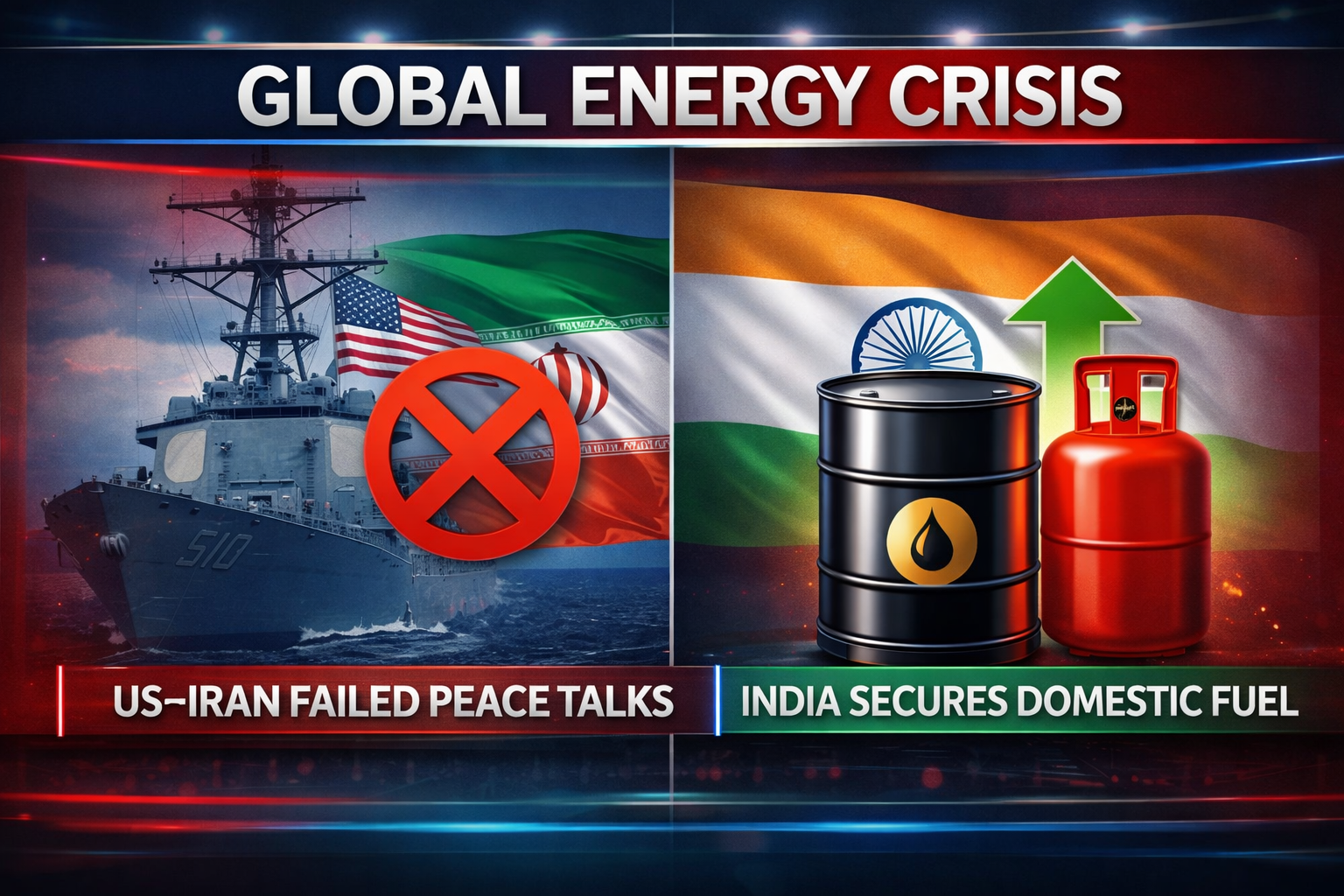
The global energy market has been thrown into turmoil today. Following the complete collapse of the highly anticipated U.S.-Iran peace talks in Islamabad, the United States has initiated a naval blockade in the critical Strait of Hormuz.
In a swift and preemptive response to protect the Indian economy from severe global oil shocks, the Government of India has rolled out emergency measures, including hiking export duties on key fuels and boosting domestic LPG supplies.
1. The Collapse of the Islamabad Peace Summit
The diplomatic efforts to secure a ceasefire and stabilize the Middle East have officially failed.
- The Deadlock: U.S. Vice President JD Vance and the Iranian delegation, led by Parliament Speaker Mohammad Bagher Qalibaf, failed to reach a consensus after 48 hours of intense negotiations in Pakistan.
- The Trigger: The breakdown occurred over non-negotiable demands regarding frozen assets and ongoing regional military operations.
- The Blockade: Following the failure, the U.S. Navy has moved to secure and partially block the Strait of Hormuz—the world’s most crucial oil chokepoint, through which roughly 20% of global oil consumption passes daily.
2. Immediate Impact on Global Markets
The failure of diplomacy and the subsequent naval movements have sent shockwaves through international financial markets.
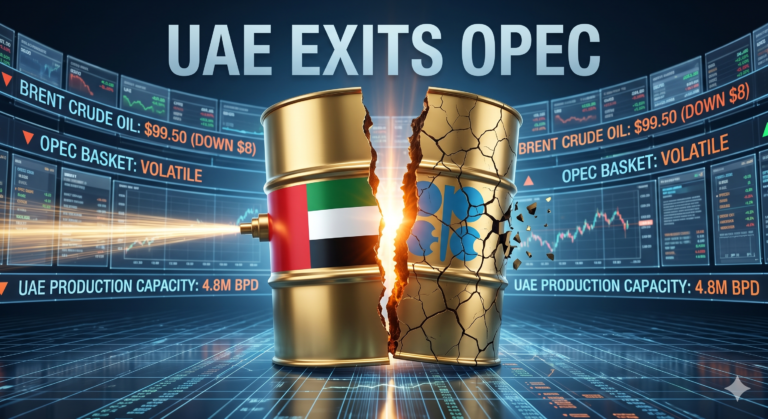
- Crude Oil Surge: Brent crude futures spiked by nearly 8% within hours of the announcement, threatening to cross the $100-per-barrel mark.
- Supply Chain Fears: Nations heavily dependent on Middle Eastern oil, particularly in Asia (including Japan and South Korea), are bracing for severe supply chain disruptions and massive fuel inflation.
3. India’s Preemptive Economic Shield
Anticipating the global shortage, the Indian Finance Ministry and the Ministry of Petroleum and Natural Gas have activated a contingency plan to ensure India does not face a fuel crisis.
- Export Duty Hikes: The government has immediately increased the windfall tax and Special Additional Excise Duty (SAED) on the export of Diesel and Aviation Turbine Fuel (ATF). This move forces domestic refineries to prioritize selling fuel within India rather than exporting it for higher global profits.
- Boosting Household Energy: To prevent public panic, state-run oil marketing companies (OMCs) have aggressively increased the rollout and refilling cycles of 5-kg and 14.2-kg LPG cylinders.
- PNG Supply Secured: Urban areas reliant on Piped Natural Gas (PNG) have been assured of uninterrupted supply, with the government tapping into its strategic gas reserves.
4. What This Means for the Common Indian Citizen
While the global situation is alarming, the Indian government’s swift action aims to insulate the public from immediate panic.
- No Dry Pumps: Due to India’s robust Strategic Petroleum Reserves (SPR) and diversified buying strategy over the last two years, there is no immediate risk of petrol pumps running dry.
- Price Watch: However, if the blockade in the Strait of Hormuz lasts longer than a few weeks, retail prices for petrol and diesel may see an upward revision after the upcoming economic review.
Quick FAQ: The Oil Crisis & India
Q1. Will there be a shortage of petrol or diesel in India?
No. The government has restricted fuel exports to ensure that domestic supply remains abundant. There is no need for panic buying.
Q2. Why did the U.S. block the Strait of Hormuz?
Following the failure of peace talks, the U.S. initiated the blockade to pressure Iran militarily and economically, as the strait is a vital route for Iran’s remaining oil exports.
Q3. Will my LPG cylinder prices go up?
Currently, the government has focused on increasing the supply of LPG and PNG to ensure availability. Any price changes will depend on how long the global crude oil prices stay elevated, but subsidies may absorb the immediate shock.
For real-time financial updates and global market analysis: news.aambublog.com | finance.aambublog.com
Contact: help@aambublog.com