Introduction
Welcome to today’s Asia-Pacific news update. Japan has officially crossed a historic threshold, passing its largest-ever national defense budget for the fiscal year 2026. This move marks a dramatic shift away from its post-World War II pacifist stance, transforming the island nation into a formidable military power. However, this historic buildup comes at a steep cost, triggering significant domestic unrest amidst rising inflation and economic struggles. Here is a detailed breakdown of Japan’s strategic shift and what it means for the region.
1. A Record-Breaking Military Expansion
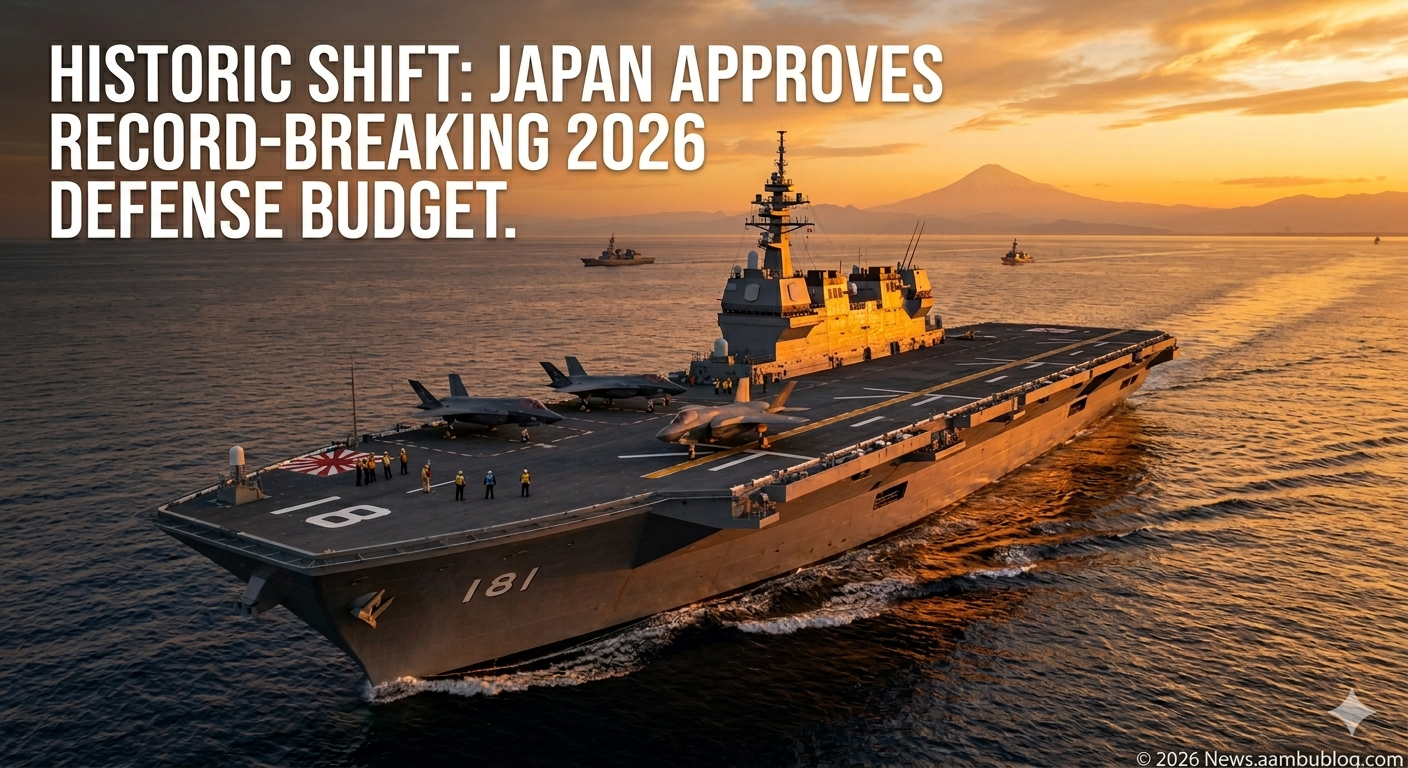
The newly approved national budget prioritizes defense spending above all else, reaching unprecedented levels.
- The Shift: For decades, Japan capped its defense spending at roughly 1% of its GDP. The 2026 budget firmly shatters that ceiling as Tokyo accelerates its five-year military buildup plan.
- Upgrades: The funds are heavily allocated toward acquiring long-range counterstrike missiles, advanced cyber warfare capabilities, and expanding the naval fleet.
2. The Catalysts: China and North Korea
Japan’s aggressive military posture is a direct response to a rapidly deteriorating security environment in the Indo-Pacific.
- The Threat from Beijing: China’s increasingly assertive maritime policies, especially around Taiwan and the disputed Senkaku Islands, have deeply alarmed Tokyo. Japan views China’s military expansion as its greatest strategic challenge.
- North Korean Aggression: The relentless pace of North Korea’s ballistic missile tests, many of which have flown over or landed near Japanese territory, has forced Japan to heavily invest in advanced missile defense systems.
3. Domestic Outrage and Economic Strain
While the international community (particularly the US) has welcomed Japan’s stronger defense posture, the reaction at home has been fiercely critical.
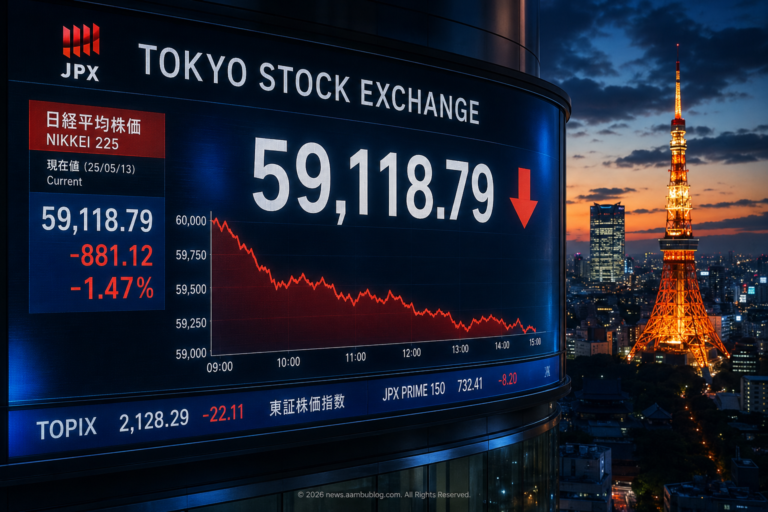
- Economic Reality: The Japanese Yen remains historically weak, and the cost of living has surged due to expensive energy and food imports.
- The Tax Controversy: The government has faced massive public backlash after outright rejecting demands for a food tax cut to ease the burden on everyday citizens. Critics argue that the administration is prioritizing missiles over the basic welfare of its people.
4. Geopolitical Impact on the Asia-Pacific
Japan’s transformation alters the balance of power in Asia.
- Strengthening Alliances: This budget cements Japan as the most critical US ally in deterring potential conflicts in the region.
- Regional Arms Race: Tokyo’s military buildup is likely to prompt further militarization from neighboring countries, accelerating an already tense arms race in the Indo-Pacific.
Frequently Asked Questions (FAQs)
Q1. Why is Japan’s 2026 defense budget considered historic?
Ans: It is the largest military budget in Japan’s history, marking a definitive end to its long-held pacifist defense policy and signaling a massive expansion of its military capabilities.
Q2. What are the main reasons behind this military buildup?
Ans: Japan is directly responding to the rising geopolitical threats in its immediate neighborhood, specifically the aggressive military posture of China and the continuous missile testing by North Korea.
Q3. What kind of weapons is Japan focusing on acquiring?
Ans: The budget focuses heavily on acquiring long-range “counterstrike” missiles, modernizing the naval fleet, investing in autonomous drones, and boosting cyber and space defense capabilities.
Q4. Why are Japanese citizens protesting the new budget?
Ans: The public is facing severe inflation and a high cost of living. Citizens are frustrated that the government is spending billions on defense while rejecting proposals for tax cuts on essential goods like food.
Q5. How does this impact the United States?
Ans: The US strongly supports this move, as a militarily capable Japan serves as a powerful deterrent against regional adversaries and shares the burden of maintaining security in the Indo-Pacific.